Clergy exceptionalism meets cultural rejection in education reforms

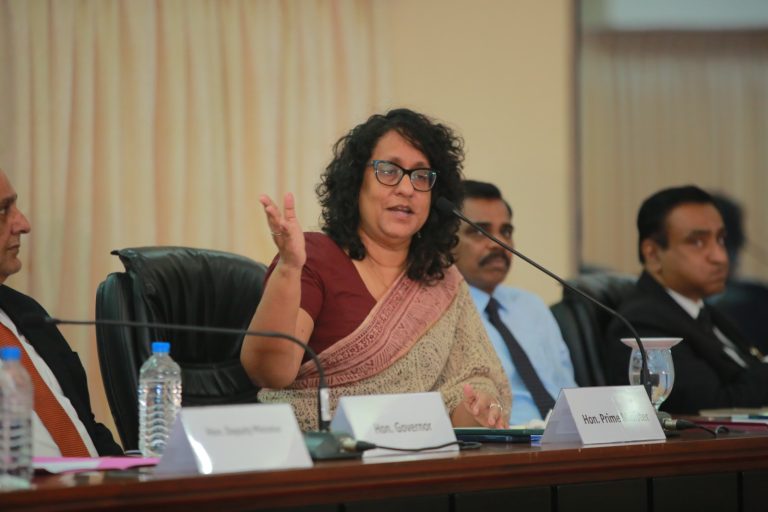
Education reforms: Does the Lal Kantha–Mihintale Thera clash expose the limits of clergy exceptionalism—how and why?

Education reforms: Does the Lal Kantha–Mihintale Thera clash expose the limits of clergy exceptionalism—how and why?
Cracks in global trust: How Sinhala media frame the discourse on protests in Iran as evidence of selective international norms and Western hypocrisy

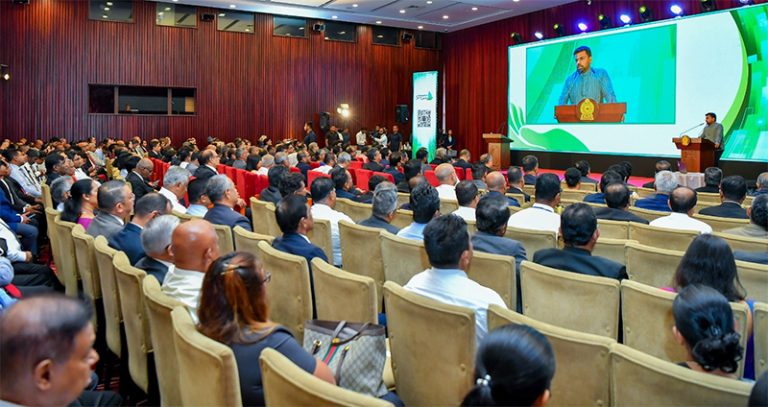
Rebuilding Sri Lanka: Can the President lose his lustre in Sinhala media – how and why?

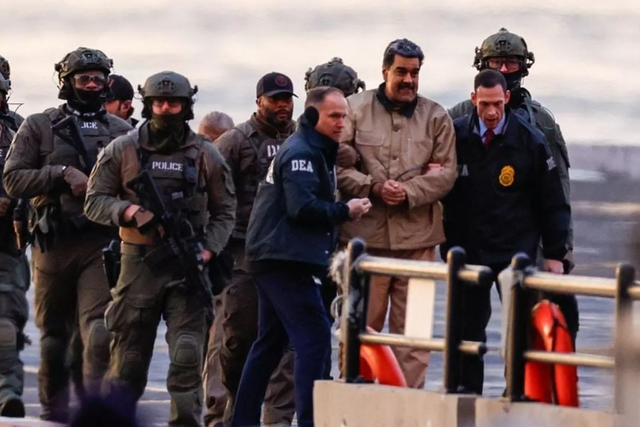
Maduro Operation: Why admiration for Trump emerged on social media for his actions on Venezeula

Education reforms: How the Grade 6 link error, in Sinhala media, morphed from a problem of misprint to a problem of mistrust

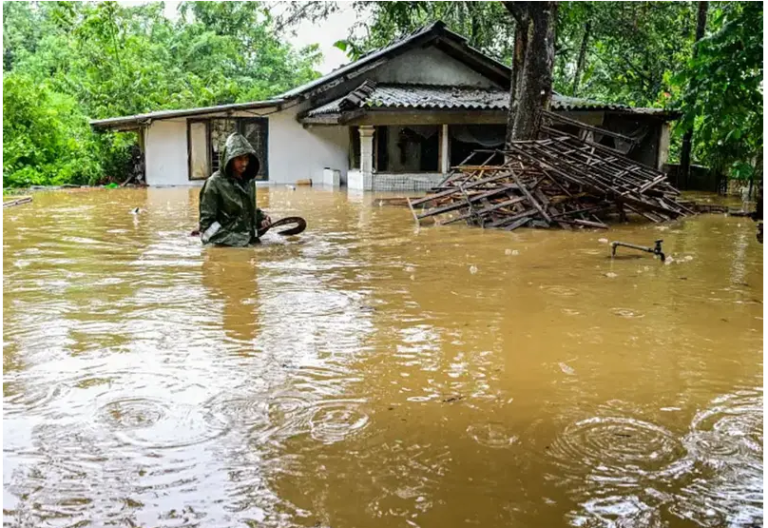
The opposition’s efforts to portray the cyclone response as another case of state failure have not resonated widely with the public, limiting their impact on generating negativity toward the government.

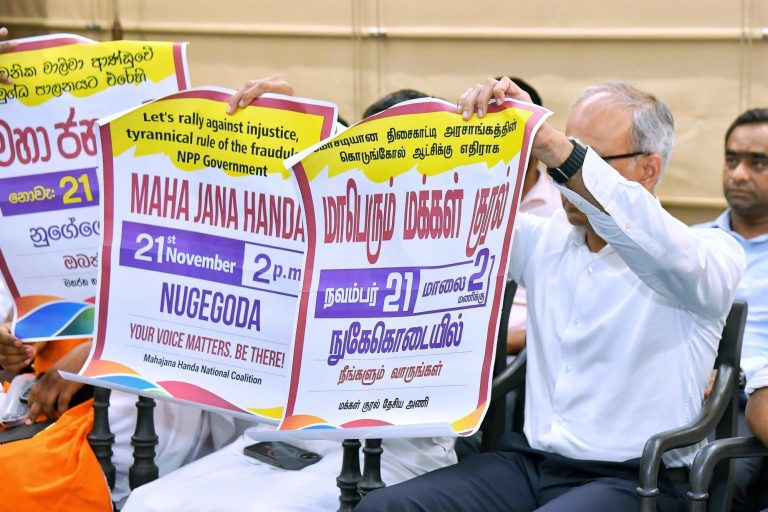
The Nugegoda rally functions less as a protest against the Government than as a stage for smaller parties to stake their claim to leadership of the anti-government camp.

A Budget widely recognised as IMF-aligned is still gaining positive traction, shaped by public perceptions of pragmatic crisis management rather than ideological change.

The NPP’s “Ratama Ekata – Jathika Meheyuma” reframes the anti-drug drive as a unifying national mission — a moral struggle that rallies citizens across political and communal lines against a shared threat to the nation - one that penetrates deeply into the collective mind.

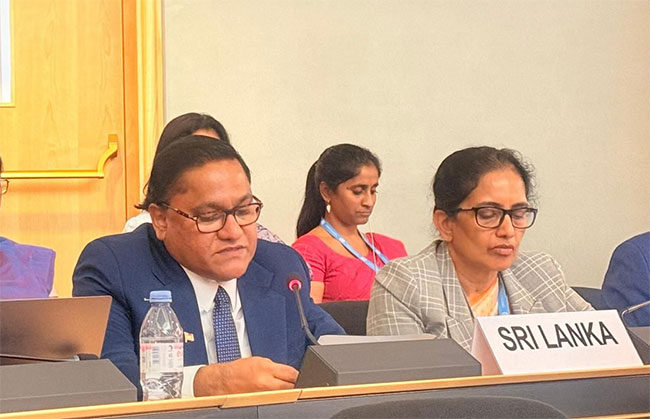
Foregoing the UNHRC Resolution vote was cast as a pragmatic approach —avoiding defeat and prioritising domestic accountability. Critics, however, saw it as perilous – a chance missed to assert resistance.