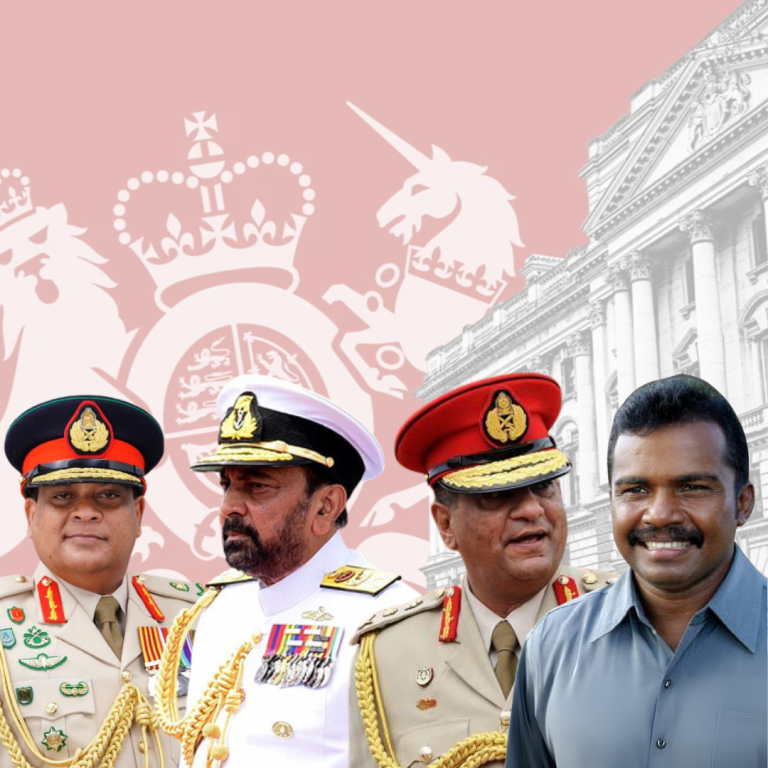
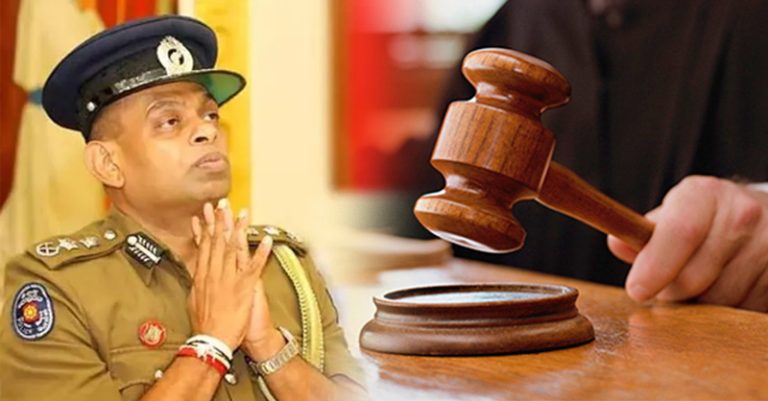
Coverage of the arrests of five high-profile Sri Lankan organised criminals in Indonesia was received not only as a law enforcement success but also as a visible effort to deliver on campaign commitments — even if scepticism about deeper structural change persists.
Macro Media Political Analysis
Support for the RW arrest arrested by questions and sympathy
Macro-Media Political Analysis: Special Issue
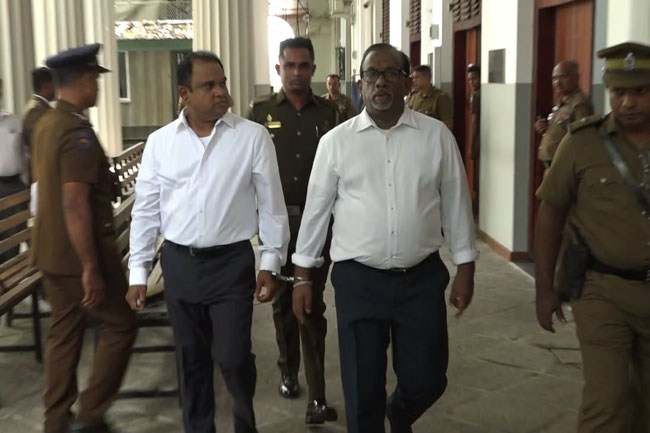
Ranil Wickremesinghe’s unprecedented arrest bolstered the NPP’s anti-corruption credentials. However, it also stirred short-lived sympathy for Wickremesinghe from specific segments in society. Wickremesinghe’s arrest has opened political space for the NPP to shed association with his status quo economic policies and rally broader opposition forces under a common cause.
Pursuing or prevaricating on presidential privileges?
The move to revoke presidential privileges is less about its financial impact and more about symbolically rejecting Sri Lanka’s old political culture of entitlement. The move signals the new government’s commitment to reform and a break from the privileges enjoyed by past leaders. However, some critics argue it may be driven by political retaliation and victimisation rather than genuine reform.
PM’s info on “Chichi’s rocket” explodes on take-off
The parliamentary question and follow-ups on SupremeSAT appeared strategically framed as a publicity tool to portray Chichi – the youngest Rajapaksa son – as the driving force behind a highly profitable and nationally significant satellite project, despite limited evidence of either the profit source or Chichi’s role. This narrative also served to reframe alleged illicit wealth linked to the Rajapaksa family as legitimate entrepreneurial success, countering corruption accusations from political opponents.
Opposition clubs new youth clubs
Public discourse on the government’s intervention in youth clubs has sparked allegations of “politicisation”, with critics warning of the capture of grassroots structures.
Culture concurs with cardinal criticism of sexual orientation
Cardinal Ranjith’s remarks on same-sex relationships resonated with certain segments of Sinhala-Buddhist social media commentary, framing the legalisation of such relationships as part of a broader Western agenda antithetical to Sri Lankan cultural values.
Education reforms: The how and why of the narrative shift
The narrative on education reforms has evolved from reactive criticism to a more substantive discourse, shaped in part by the government’s recalibrated messaging strategy.
Trump tariffs: Four narratives; one outside parliament
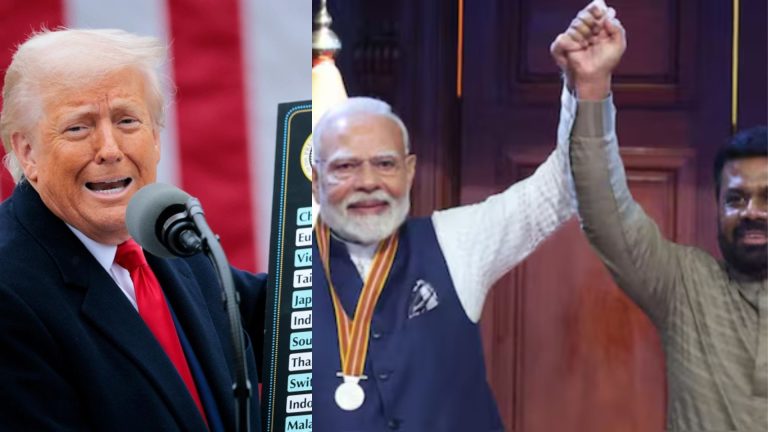
The Sinhala media response to the reciprocal tariff reveals a contested narrative landscape, where government claims of diplomatic success are increasingly challenged by opposition critiques and economic concerns.
Education reforms: Schooled on legitimacy
The response to Sri Lanka’s proposed education reforms has been shaped less by the content of the reforms and more by concerns about how they were introduced, particularly perceptions of limited transparency, weak consultation and an ideological disconnect, which have raised questions about the government’s attitude towards culture and procedure.
The death of Bhathiya: A symbol of systemic neglect
Bhathiya’s death became a symbol in public discourse, representing broader systemic failures. It was seen as evidence of state neglect across various domains – ranging from wildlife protection and cultural preservation to rural safety.