Cracks in global trust: How Sinhala media frame the discourse on protests in Iran as evidence of selective international norms and Western hypocrisy
Macro Media Political Analysis
Good leader, bad circle: From corruption to incompetence
Rebuilding Sri Lanka: Can the President lose his lustre in Sinhala media – how and why?
Maduro Operation: Three sentiments – Two negative, one positive
Maduro Operation: Why admiration for Trump emerged on social media for his actions on Venezeula
Education reforms: From misprint to mistrust
Education reforms: How the Grade 6 link error, in Sinhala media, morphed from a problem of misprint to a problem of mistrust
Flood of criticism managed
The opposition’s efforts to portray the cyclone response as another case of state failure have not resonated widely with the public, limiting their impact on generating negativity toward the government.
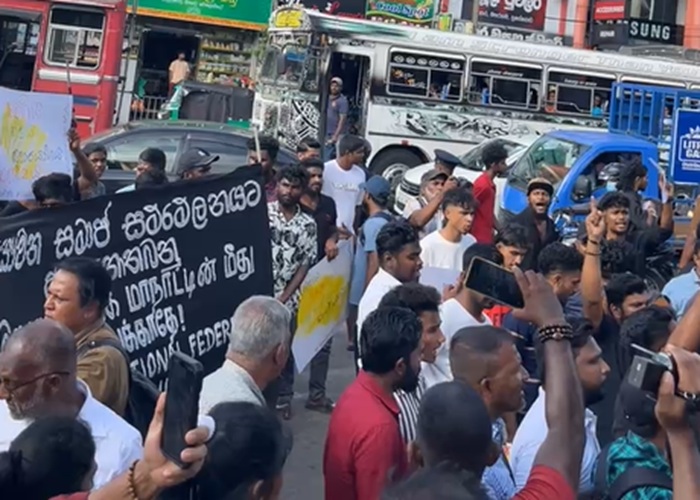
A rally for unity—without a united Opposition
The Nugegoda rally functions less as a protest against the Government than as a stage for smaller parties to stake their claim to leadership of the anti-government camp.
Reception of the Budget: Constraints, credibility, and the IMF
A Budget widely recognised as IMF-aligned is still gaining positive traction, shaped by public perceptions of pragmatic crisis management rather than ideological change.
“Ratama Ekata – Jathika Meheyuma”: NPP high on legitimacy
The NPP’s “Ratama Ekata – Jathika Meheyuma” reframes the anti-drug drive as a unifying national mission — a moral struggle that rallies citizens across political and communal lines against a shared threat to the nation – one that penetrates deeply into the collective mind.
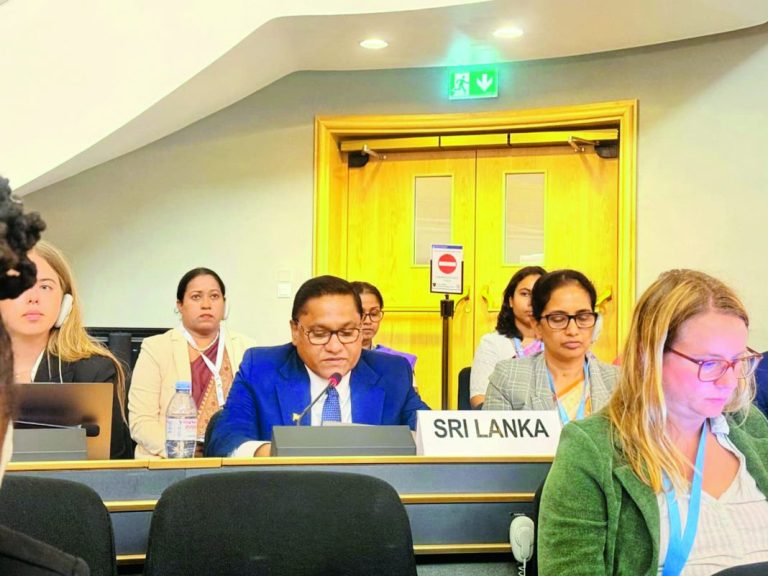
Government on UNHRC resolution: Pragmatic or perilous?
Foregoing the UNHRC Resolution vote was cast as a pragmatic approach —avoiding defeat and prioritising domestic accountability. Critics, however, saw it as perilous – a chance missed to assert resistance.
Weligama chairperson murder: Retribution frame for government; reputational risk for SJB
The assassination of Weligama PS Chairperson and SJB Member Lasantha Wickramasekara reignited debate on accountability and political culture. The government’s framing of the killing as an underworld feud appeared to legitimise retribution, blurring boundaries between justice and vigilantism.