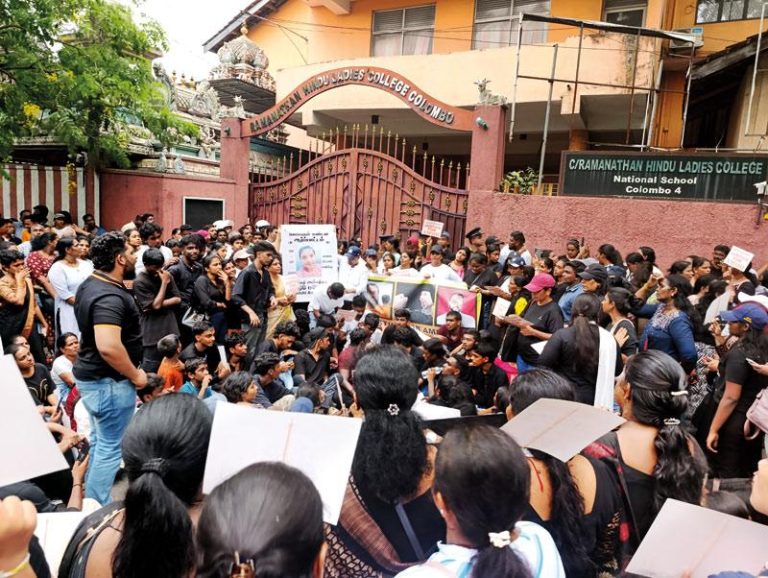
The Tamil media highlighted Chemmani as evidence of state violence, while the Sinhala media downplayed it or blamed the LTTE – revealing a stark divide in the media narratives.
Macro Media Political Analysis
Clear on corruption, cloudy on incompetence
The government is reversing the status quo on corruption by enabling stalled and new investigations, which have strengthened its legitimacy and cushioned it from broader criticism. In contrast, it has maintained continuity in economic structures and policy, which may gradually build contradictions and discontent. The “container-release” incident directly challenges the NPP government’s core legitimacy by undermining its anti-corruption credentials. Though largely dissipated as a procedural lapse, it put strain on the “anti-corruption override” that has so far helped deflect criticism in other areas.
Government’s anti-corruption efforts boost public trust
Misconduct, particularly corruption, in the healthcare sector triggers intense public concern, more than in other sectors. The government is gaining public trust through the regular drip of positive actions being reported on anti-corruption. Trust in relation to anti-corruption initiatives enhances the political legitimacy of the government and covers over issues and criticism it faces in other areas, which have been analysed in previous weeks.
NPP winning elections yet losing political mileage
The CMC mayoral choice is a window into the growing cynicism toward the NPP government. The NPP’s earlier appeal, which was based on moral high ground as a positive alternative to the dominant political parties, is being increasingly undermined by concerns about its conduct.
Three positions on the Iran-Israel conflict
The renewed conflict between Iran and Israel appears to be raising fears about potential negative repercussions for Sri Lanka’s economy, particularly bringing to mind memories of past economic hardships.
Prisoner release cuffs the perception of prison officials
The ‘unlawful’ release of prisoners by prison officials further underscores concerns about the NPP government’s lack of control over state institutions, adding to the doubts about its ability to fulfil its pledge of systemic change.
Tax promotion taxes government
The NPP government seems to be becoming an ‘ordinary government’, struggling to exert control over the state sector and focusing more on continuity than on implementing significant policy changes.
Carrom board case: Government pockets the credit
Court verdict on former minister and high official in the carrom board case fostered public approval of the government, reinforcing perceptions of the government as acting against corruption. Attempts to appoint a perceived close associate of the president to the position of auditor general generated concerns of nepotism/favouritism and reduced public approval of the government and its credibility on ‘system change’.
Remembrance Day: AKD misfires in the media
President Dissanayake’s presence and words on Remembrance Day sent mixed signals. He was interpreted as trying to balance appeasing the Sinhala Buddhist majority while distancing himself from the Sinhala-nationalist rhetoric of the past. This dual stance seems to have drawn criticism from both sides, and made his moral leadership look relatively weak and lacking in clear direction.
Government short of salt and flavour
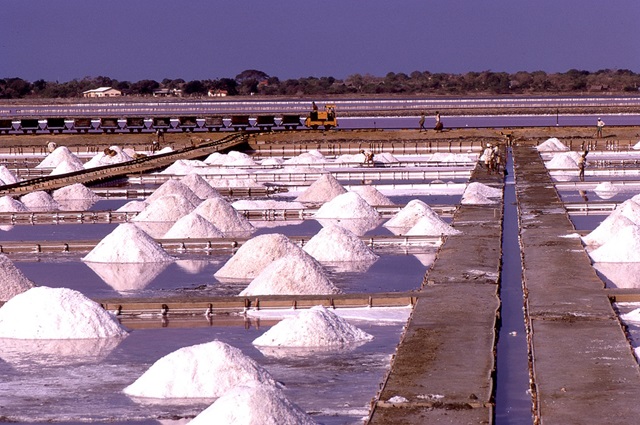
The unavailability of salt goes beyond a mere economic inconvenience; it has symbolic impact: it positions the government as unable to ensure the flow of even the most basic essentials for households.